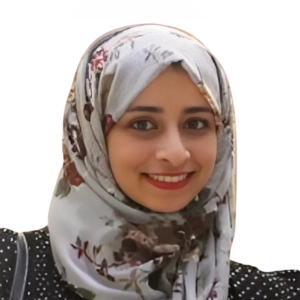









Ranjitha S Kumar
Indira Gandhi Institute of Child Health, IndiaPresentation Title:
Clinical and laboratory predictors of dengue-associated hyper inflammation in children
Abstract
Background: Dengue-associated hyperinflammation is an increasingly recognized but underdiagnosed entity. The success of treating a hyperinflammatory state is dependent on the timely identification and intervention before the initiation of a vicious cycle of cascading inflammation and multiorgan dysfunction.
Objectives:
1) To assess laboratory parameters in children with severe dengue for the recognition of dengue-associated hyperinflammation.
2) To compare clinical and laboratory profiles in dengue-associated hyperinflammation.
Methods: A retrospective hospital-based study from January 2023 to December 2024 at a tertiary PICU in India. It included 30 children aged between 1 month and 18 years with laboratory-confirmed severe Dengue fever. Children with signs of bacterial sepsis, autoimmune/ inflammatory disease, and malignancy were excluded from the study.
Results:
1) Patients with hyperinflammation exhibited significantly higher mean SGOT (1976.74 ± 3847.80) and SGPT levels (623.22 ± 1182.63), p<0.001
2) i) A high proportion with organ impairment,95.7% (n=22) exhibited a significant association with hyperinflammation, p<0.001.
ii) Dengue-associated hyperinflammation presenting with organ impairment had a significantly higher mean SGOT level (1865.50 ± 3795.49), and those presenting with bleeding tendencies had a significantly lower mean albumin level (2.22 ± 0.42), p-value 0.02.
Conclusion:
While not every case of severe dengue cascades to a hyperinflammatory state, a significant subset, with persistent fever and hepatic involvement, characterized by elevated liver enzymes: SGOT, SGPT(>3 times the upper limit of normal), and hypoalbuminemia, are significantly associated with hyperinflammation in severe dengue children. Among clinical manifestations of severe dengue, organ impairment is strongly linked toa hyperinflammatory state. Trials of immunomodulatory therapy are warranted.
Biography
Ranjitha S. Kumar is a dedicated paediatrician currently serving as Senior Resident at the Department of Pediatrics, Indira Gandhi Institute of Child Health, Bengaluru. She completed her MBBS from Bangalore Medical College and MD Paediatrics with first-class honours from JJM Medical College, Davangere. Her research focuses on pediatric infectious diseases and critical care, particularly severe dengue and hyperinflammatory syndromes. Her study on dengue-associated hyperinflammation was published in the Indian Journal of Pediatrics (January 2025) and has received academic recognition. She has presented award papers and research at state and national conferences, reflecting her commitment to evidence-based paediatric care and research excellence.