





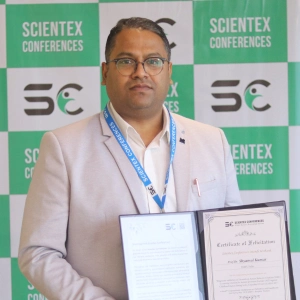








Asmita Khanal, Karnali care international Hospital and Research Center , Nepal

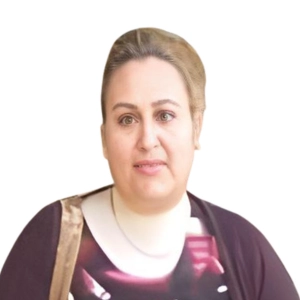
Asmita Khanal

Karnali care international Hospital and Research Center , Nepal

Presentation Title:

Congenital Knee Dislocation: A rare orthopedic enigma in rural Nepal

Abstract

Congenital Knee Dislocation (CKD), also known as genu recurvatum congenitum, is a rare neonatal orthopedic anomaly marked by hyperextension of the knee joint, frequently attributed to intrauterine mechanical factors, fibrosis or contracture of the quadriceps mechanism, or associations with genetic and syndromic conditions. Early identification plays a pivotal role, as timely conservative management can avert lifelong disability and minimize the necessity for surgical correction. This case report presents an uncommon instance of bilateral congenital knee dislocation that was successfully treated through early conservative measures in a remote, resource-constrained region of Nepal, illustrating the progression of recovery and long-term functional outcomes. A full-term female neonate, delivered at an institutional facility in Dailekh District, Nepal, was brought for evaluation within 24 hours of birth with striking bilateral knee hyperextension of approximately 100°, indicative of type II congenital knee dislocation—characterized by anterior tibial subluxation without complete dislocation. Gentle manipulation followed by serial above-knee plaster casting was initiated, with casts replaced every 7–10 days to gradually enhance knee flexion from 0° to 30°. To ensure safety in this rural setting, the toes were kept exposed for continuous observation of circulation and swelling. After three casting sessions over four weeks, significant improvement was noted, and by six weeks, both knees demonstrated near-neutral to mildly flexed alignment with stable joint positioning. Follow-up radiographs at six weeks, six months, two years, and four years confirmed maintained joint congruity, normal growth plate integrity, and appropriate motor development without pain, instability, or mobility restriction. This report underscores that, even in settings with limited medical infrastructure, early diagnosis coupled with diligent conservative management can yield excellent anatomical restoration and functional recovery, reinforcing the critical role of ongoing follow-up and parental engagement in treating rare congenital musculoskeletal deformities.

Biography

Asmita Khanal is a dedicated public health professional and research officer at Karnali Care International Hospital and Research Center, Nepal. Working in the remote regions of Karnali, she focuses primarily on improving child and female health through research, education, and community-based interventions. Passionate about disease prevention and health system strengthening, she works to bridge the gap between research and rural healthcare practice. Her compassion and commitment make her a strong advocate for equitable and sustainable public health in underserved areas.